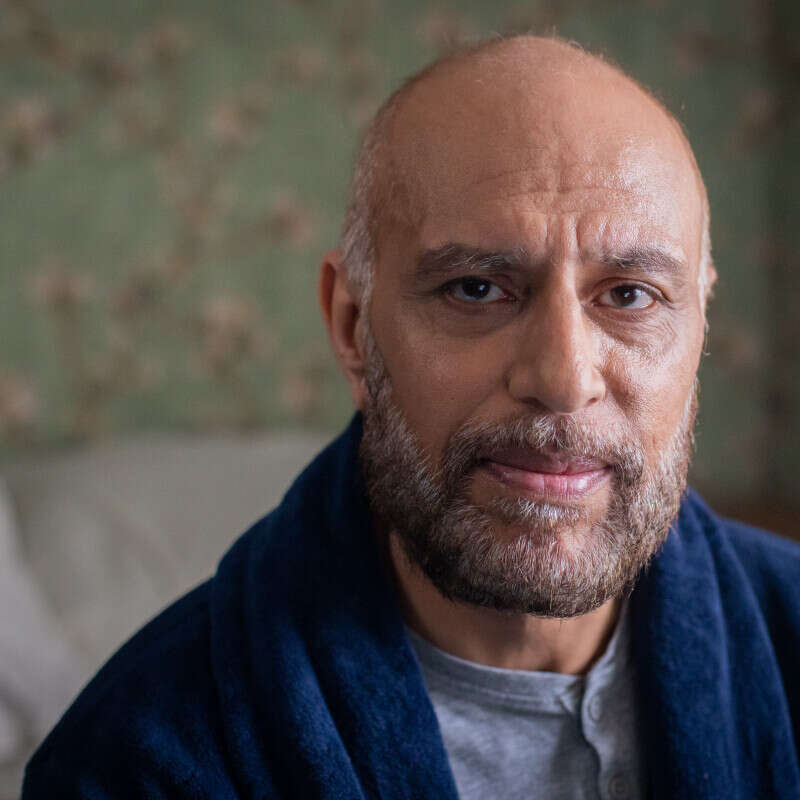
Bryan’s story
Bryan’s physical health symptoms were dismissed as a result of mental health stigma, meaning he lived in chronic pain for years longer until finally receiving a diagnosis.
“The exact words from the locum GP who I initially went to about my knee pain were: ‘the pain is all in your head’.
"At that time, I was on medication for depression and anxiety, and had survived an attempt to take my life. I was obviously feeling very low and when you’re in that place mentally, it makes reaching out for support of any kind so much harder. That reaction from the doctor definitely made it more difficult for me to seek medical help in the future.
"The delay in my diagnosis and treatment meant living with severe pain for years longer. I had to jump through a lot of hoops before I was finally diagnosed with hereditary spastic paraplegia, a rare condition that causes mobility problems and muscle stiffness and weakness.
It was a long journey to get the right diagnosis. I felt stuck in a cycle where my physical health wasn't being taken seriously because of my mental health; and that in turn was negatively impacting my wellbeing and causing my mental health to get worse. I was off work for six months. It was torture being stuck in the house for that time, not able to move properly.
“I'm backing SAMH’s Show Up campaign so that no one else has to experience this kind of stigma."
Bryan found support through The Changing Room, a 12-week programme that brings men together to talk football and mental health. He has since attended the follow-up programme The Changing Room – Extra Time and is now an advocate for mental health in his workplace. He is also applying to counselling courses so he can support others.
Things can still be up and down – I have good days and bad days. But I have a support network in place to cope when things are feeling a bit much.
“It’s helped improve my mental health having access to that specialist treatment. The one thing I still struggle with is that I will one day end up in a wheelchair because of my condition. But I try to keep things on the brighter side and remind myself it could be worse. It’s definitely helped having a diagnosis and a treatment plan in place.”